
Better investigations: Bangladesh kicks off Alliance’s 20-country SEAH investigator training
“I am leaving [here] with deeper reflection, greater responsibility, and immense respect for everyone committed to protecting dignity, safety, and trust through effective safeguarding practice”, Mohammad Salim Kabir, course participant
Behind every SEAH allegation is a person who took the risk of coming forward. What happens next, and how they are treated depends largely on the quality of the investigation.
Training, sustaining and retaining that quality is the driving force behind a new strategic initiative in SEAH investigations capacity. Certified investigators will then become part of a global roster of investigators.
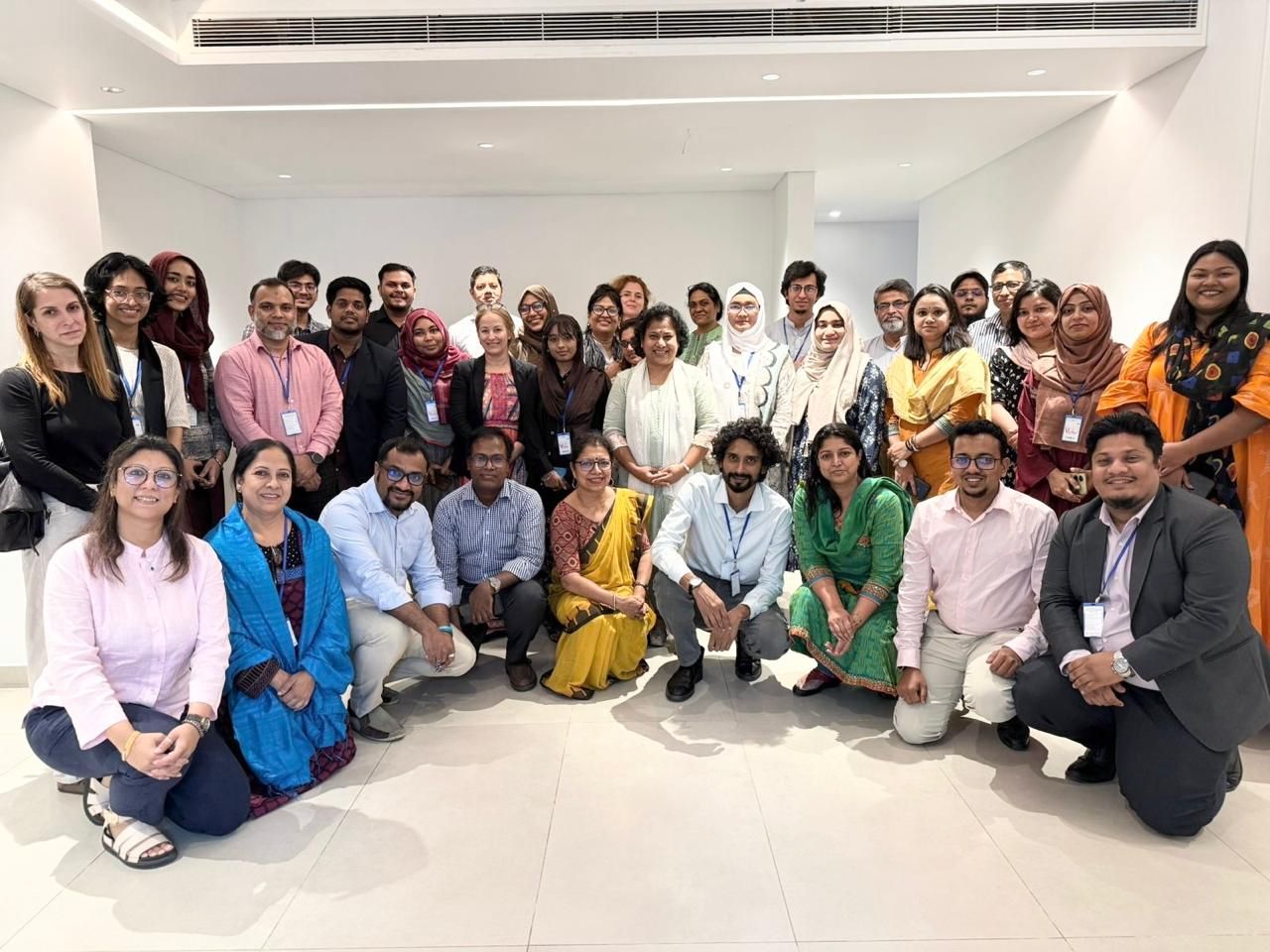
Course participants in Dhaka
Centred around the IQTS, the programme, which kicked off in Bangladesh, aims to strengthen accountability and prevention of SEAH across 20 high risk SEAH countries over the next three years.
Investing in SEAH investigations
Investigations are central to delivering safe and accountable aid but organisations continue to face challenges in accessing trained, survivor-centred SEAH investigators.
Flawed investigations and widespread impunity are all too common, putting survivors, their families, witnesses, and whistleblowers at risk.
These failures let perpetrators escape accountability, harm the community and the sector.
Data from the Harmonised Reporting Scheme in Bangladesh shows that over a third of reported SEAH cases (34.6%) were not investigated. Fewer than half of reported cases were substantiated and from these, only a fraction led to disciplinary action.
Kashfia Feroz, Country Lead, Safeguarding Resource and Support Hub, Bangladesh, who co-organised the event said, “Bangladesh’s humanitarian and development sector continues to face a critical shortage of qualified PSEAH investigators, and when that gap remains, it is survivors who bear the consequences. This training was a concrete step toward addressing that gap and strengthening accountability across the system.”
Bangladesh is not alone. Global data suggests that investigations often fail to progress due to limited capacity, quality concerns, weak evidence collection and outdated investigative frameworks.
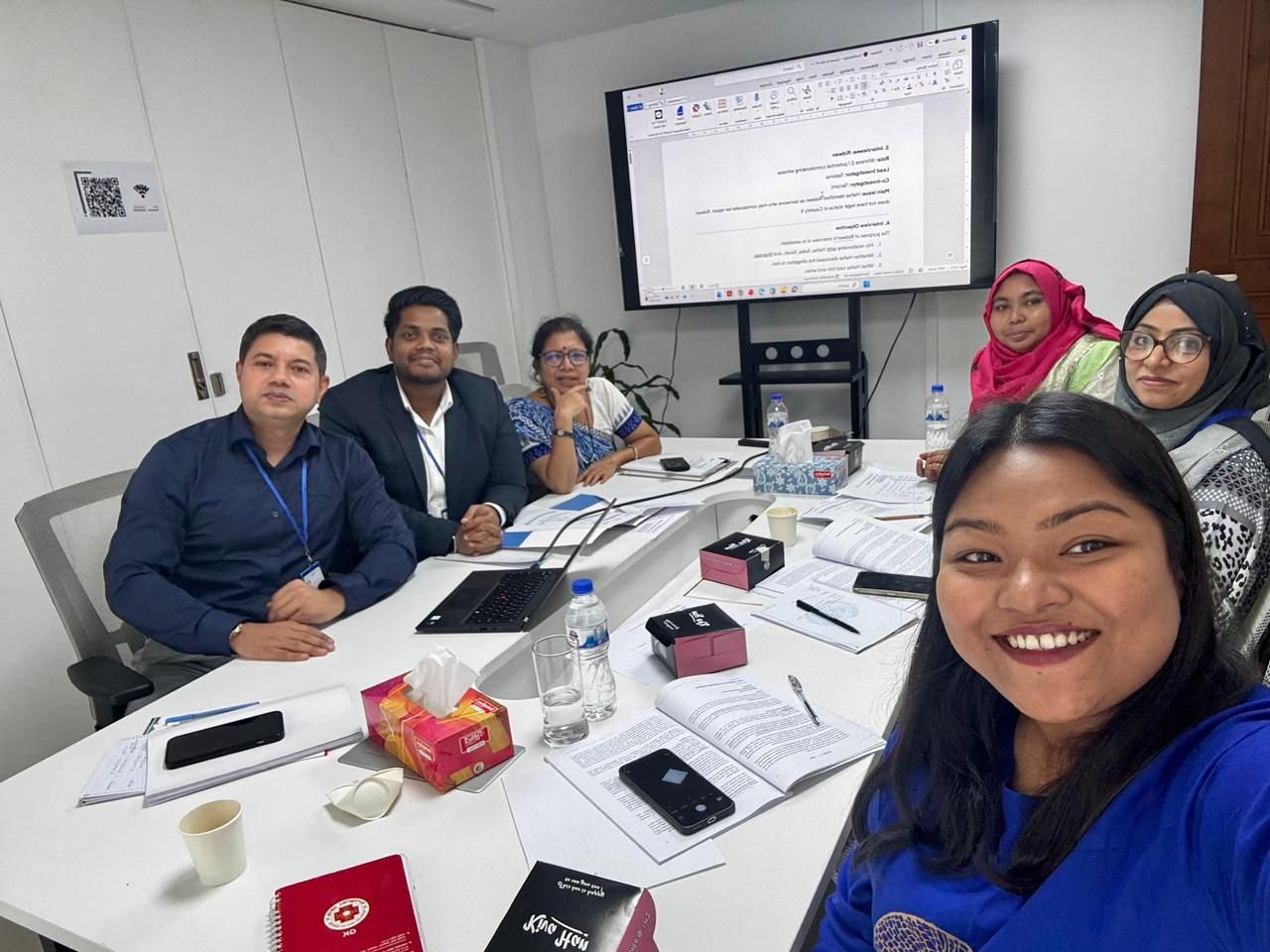
Participants discuss effective investigations in small groups
While some of those outcomes may reflect genuine complexity, they also point to a wider pattern, as Martina Broström, Investigations Manager at CHS Alliance, explains:
“SEAH investigation capacity has often been concentrated outside of countries and communities where allegations arise, leaving country-level teams under-resourced and under-supported. We need to build and sustain capacity, strengthen contextual understanding and ensure SEAH investigations are effective and appropriate.”
Aligned with the CHS, the IQTS responds to this: investing in local and national expertise, while connecting investigators to a wider global professional community.
Learning through practice in Dhaka
Twenty-eight participants from civil society, independent local investigators and NGOs across Bangladesh came together in Dhaka for the first training. Participants came with backgrounds in safeguarding, law and investigations, with many already handling sensitive cases within their own organisations. Hosted by the CHS Alliance, PSEA Network Bangladesh, the UNCT and the Safeguarding Resource and Support Hub, participants worked through realistic case scenarios, practised interview techniques and engaged in role plays over five intensive days of training.
Participant Sk Jenefa Khanom Jabbar, Principal and Founder of Jenefa Jabbar Consulting (JJC), says, “Investigative effectiveness depends not simply on process, but on disciplined judgment in application: how questions are framed, how trust is established, how disclosure is supported, and how evidence is interpreted within context.
“These are capabilities refined through continued practice, reflection, and engagement with the realities that shape safeguarding across systems.”
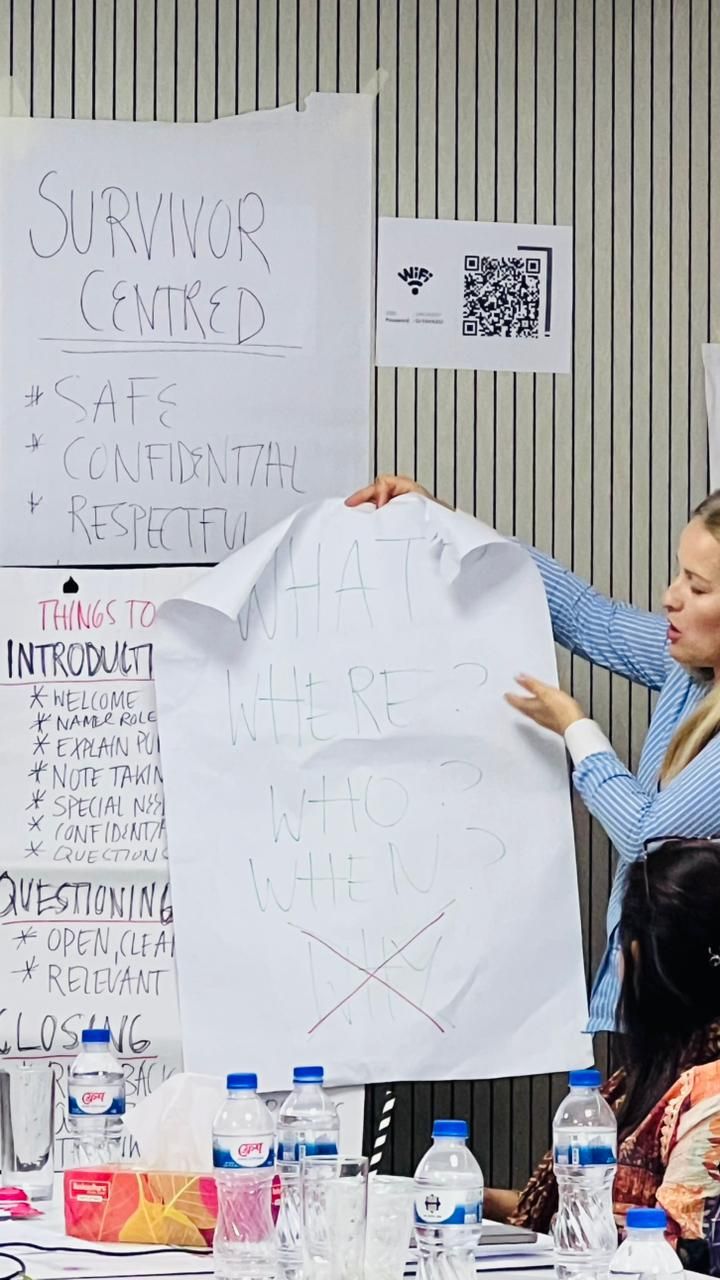
Martina Broström presents on survivor-centred approach
The training focused not only on safe procedures but how to apply survivor-centred principles in practice.
Survivor-centred, contextually grounded
Syed Rashed Bin Jamal, PSEAH Manager in Bangladesh, observed a shift in participants as the training progressed. “Many of the participants had already been investigating in their own right within their organisations, but not necessarily with a survivor-centred approach,” he said.
“The training prompted reflections on how we frame questions, corroborate evidence and balance due process with a survivor-centred approach.”
The training also covered legal frameworks, organisational policies and cultural norms around complaints and discipline, as well as the dignity, safety and wellbeing of survivors. Most importantly, it was rooted in the Bangladeshi context.
Mohammad Salim Kabir, a course participant said,
“Some training adds knowledge. Others reshape how we think about responsibility, trust, and the duty to protect people from harm. I am proud to have completed the training […] It was a rigorous and interactive learning experience that strengthened my understanding of workplace safeguarding and survivor-centred investigations.”
A growing global community
The broader vision is to help build a more sustainable ecosystem for SEAH investigations: one that develops expertise locally, supports continuous learning and strengthens accountability across the sector.
While IQTS has already trained a large pool of investigators, the Bangladesh rollout marks the beginning of a more concentrated effort to expand survivor-centred investigation capacity in high risk settings.
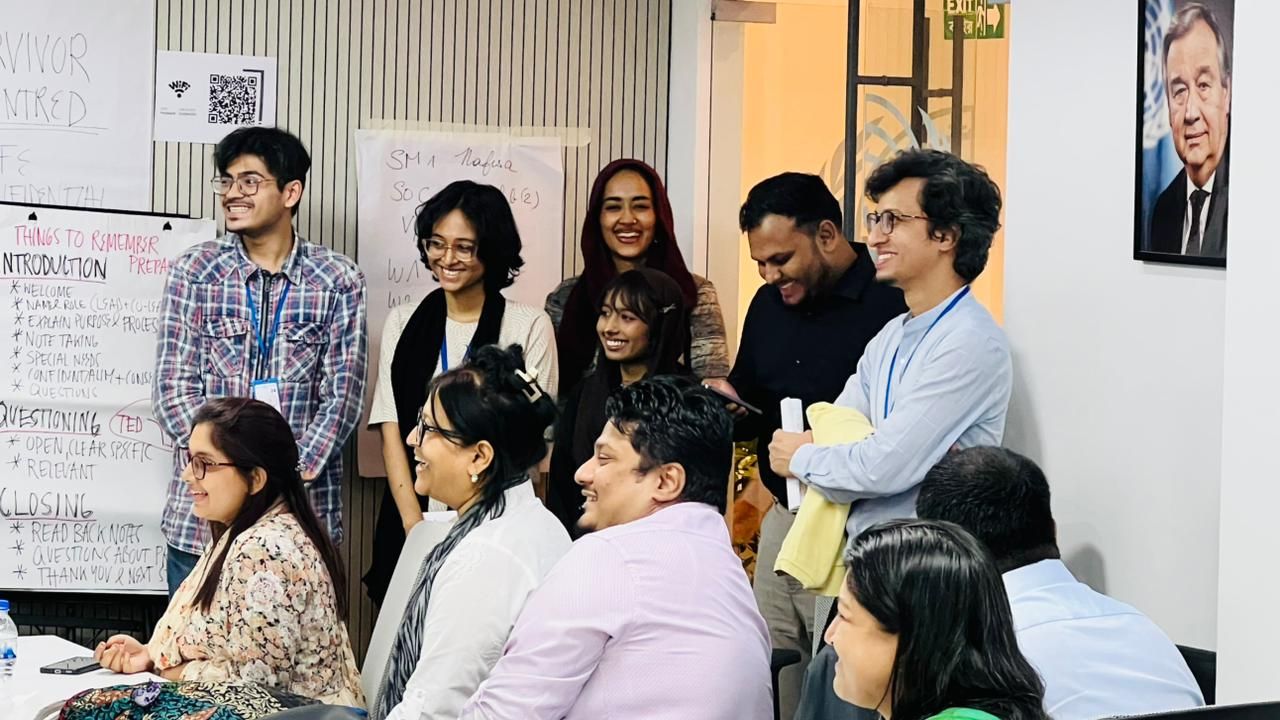
Participants wrap up training
Participants who complete the IQTS training will move into a rigorous assessment process, and once certified, are eligible to join CHS Alliance’s global roster of investigators, a community that now numbers more than 300 investigators worldwide.
The roster will create stronger connections between local investigators, INGOs and safeguarding professionals across regions, supporting peer learning, mentoring and access to qualified investigators when needed.
Just the beginning
A second Bangladesh training is scheduled in Cox’s Bazar later this year, before the programme moves to the remaining countries, selected on the basis of need, capacity and level of crisis.
“It is exciting,” says Tanya Wood, Executive Director of CHS Alliance. “Safe, supportive and professional SEAH investigations are central to the CHS. For too long expertise has been centred only at HQ level. I strongly believe this will be a turning point for country capacity in investigations, which we so desperately need.”
Get involved
Whether you are new to SEAH investigation or looking to deepen existing expertise, the IQTS offers learning pathways for different levels of experience. Tier 1 is free and openly available, providing a grounding in investigation principles for anyone working in safeguarding or accountability roles. Higher tiers provide more advanced training, certification and eligibility to join CHS Alliance’s global investigator roster.
CHS Alliance also offers a range of other services to help organisations build their capacity to be safer and more accountable organisations. If you want to know more, get in touch at PSEAH@chsalliance.org.