
Whose perspective is in the room? Lina Alhaj on collective accountability and governance
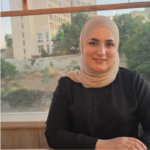
Lina Alhaj starts with a harder question than most organisations ask: not whether we listened, but what changed as a result. On why accountability belongs at the governance table, and who is missing from the room.
For Lina Alhaj, Global Accountability and Participation Advisor at War Child and one of the new members elected to the CHS Alliance Board this year, accountability starts with a harder question than most organisations ask — not whether we listened, but what changed as a result.
“Accountability is ultimately about how decisions are made, who influences them, and how those decisions affect the people our work is built on,” she says. Organisations often talk about listening to communities, consulting them, encouraging participation — but for Lina, the real test comes after. “What happens after we listen? Do these views actually influence our priorities, our resources, the decisions we make?” Too often, that information stays with programme teams instead of reaching the people setting strategy, risk and budget — the governance level.
That question — whose perspective is actually in the room — shapes how Lina holds herself accountable. In every discussion, she asks who is missing. “Sometimes it’s not that there are limited people reaching us,” she says. “There are limitations that limit people from reaching us.” The distinction matters: it’s the difference between an organisation concluding no one has concerns, and one that hasn’t built a safe, credible way for concerns to surface.
For Lina, accountability is also deliberately not a solo pursuit, but a collective one. She’s wary of the idea that it belongs to one team. “It’s not a one-person responsibility,” she says. Programmes support meaningful participation; safeguarding makes it safe to raise concerns; HR shapes who is hired and how they behave; finance resources programme priorities; operations delivers services people can access. Her role on the CHS Alliance Board, as she sees it, is to keep bringing that accountability perspective into governance discussions and asking how systems, culture and decisions reflect the commitments in the Core Humanitarian Standard.
Her biggest ask of the sector follows the same thread: stop treating accountability as a technical mechanism — a complaints box, a consultation, a checkbox — and start treating it as a habit of decision-making. “What changed because people participated? Where did we make a different decision because of what we heard?” Organisations, she says, owe people an answer either way: what was heard, what changed, what didn’t, and why.
It’s a reminder that governance isn’t just about who holds power. It’s about who is in the room when it’s used.